Indians and West Indians in Brighton
The presence of Indians and West Indians in Brighton & Hove has roots in the shared history of the British Empire and its colonies, particularly during the two world wars. During these conflicts, soldiers, labourers, tradesmen and medical staff from the Indian subcontinent and the Caribbean played crucial roles in supporting Britain’s war efforts. 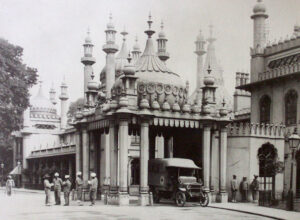
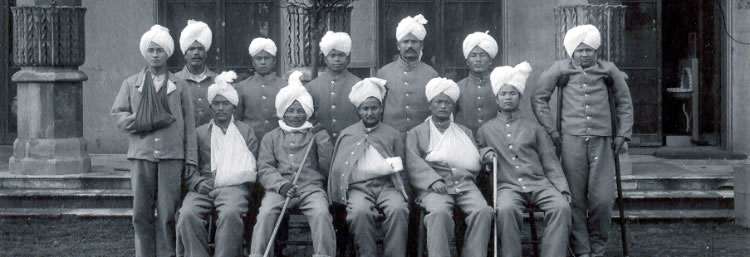
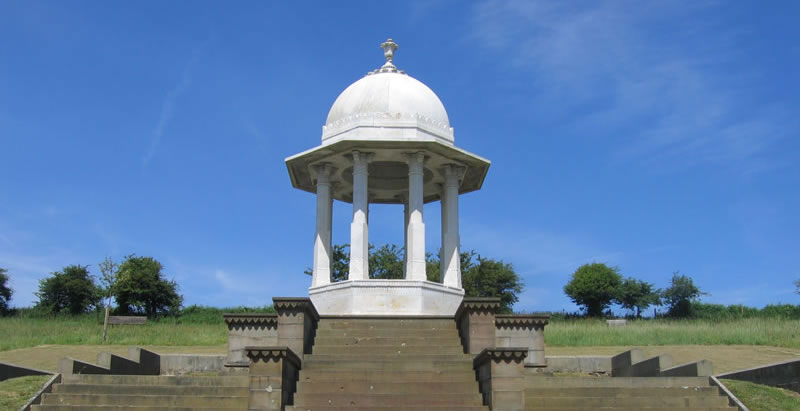
Brighton, with its iconic Royal Pavilion, even served as a hospital for undivided Indian soldiers injured during World War I, highlighting the city’s early connections with colonial troops.
In 1948, the arrival of the SS Empire Windrush marked a important moment in Britain’s post-war history.
The ship carried hundreds of Caribbean immigrants, many of whom were invited to help rebuild a nation recovering from the devastation of World War II. This arrival of Caribbean immigrants coincided with efforts to address severe labour shortages in essential industries, particularly healthcare.
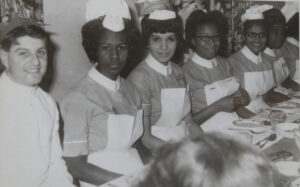 The creation of the National Health Service (NHS) in 1948 further underscored the demand for medical professionals. For the first time, Brighton General Hospital began recruiting Black nurses, an initiative that reflected the broader national trend of recruiting workers from the Caribbean to staff Britain’s newly established public healthcare system. These efforts were formalised in the 1950s when active recruitment campaigns were launched in the Caribbean. These campaigns targeted skilled and unskilled workers, including nurses, skilled and domestic staff, to fill critical vacancies in hospitals across the UK.
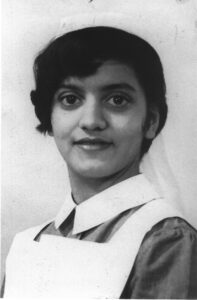 The integration of Black nurses and other healthcare workers into Brighton’s medical establishments marked a significant shift in the city’s demographic and cultural landscape.
Many of these nurses, despite facing racial prejudice and cultural barriers, were instrumental in the development and success of the NHS.
They not only provided essential care but also contributed to enriching the city’s cultural and social fabric, paving the way for greater diversity in Brighton & Hove in the decades to come.
This history serves as a reminder of the contributions of the Windrush generation and other Commonwealth citizens to Brighton & Hove’s development, particularly in sectors like healthcare.