by irenesoler | Apr 14, 2015
The lord of the manor made over to the inhabitants of Brighton a piece of land on the shore for the building of a Block House or Small Fort. It was erected at the Southern End of Middle Street, eventually destroy by two great storms of 1703 and 1705, which finally...
by irenesoler | Apr 14, 2015
During the reign of Henry VIII. The French landed at the Coast off Brighton and burnt the entire Town to the ground. The only building to survived the attack, was the Church on the Hill, Saint Nicholas’s Church. Leaving only the Street patterns as outline of the Town....
by irenesoler | Apr 14, 2015
In 1651 when Charles’s invasion ended in defeat, the young Charles II stayed overnight in Brighton, at the Kings Head public house in West Street. According to the Sussex Archaeology Society, the day after Charles escaped to France a party of Cromwell’s soldiers...
by irenesoler | Apr 14, 2015
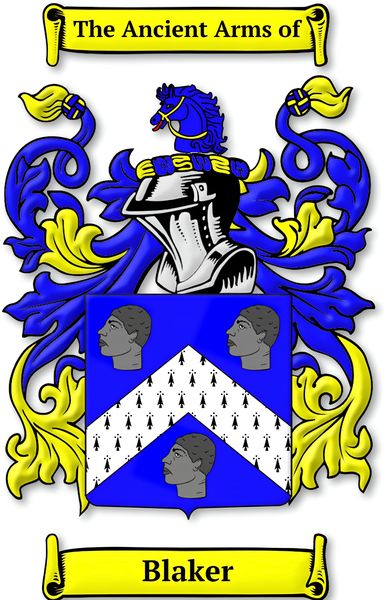
The Coat of Arms of the Blakers of Portslade, granted in 1616, depicts the side-facing heads of three Blackamoors – Negroes with African Hair. The family are mentioned in connection with Old Shoreham, Kingston, Lewes, Patcham, Pangdean, and Brighton itself. Blaker...
by irenesoler | Apr 14, 2015
The talented 9 year old African violin prodigy George Polgreen Bridgetower was born in 1778, and died in London on February 29 1860. His father was an African prince who married a white European woman, named in English documents as Mary Ann Bridgetower. They had two...

