
Knowledge of the Bronze Age is derived from the contents of graves and discovered bronze implements, as well as the lack of flint tools. During the Bronze Age, it was customary to bury the dead in circular grave mounds, shaped like inverted bowls or saucers, surrounded by a ditch at the base. These mounds varied in size, from 2-3 feet to 12 feet in height.
The arrival of the Bronze Age brought a new race of people with different physical features from the darker-skinned, smaller Neolithic natives. These new settlers, known as the Celts, were from parts of Normandy, Switzerland, and South Germany. They were several inches taller than the Neolithic inhabitants and brought new possessions, including pottery and bronze implements such as socket-handle axes, winged axes, bronze blades, and slashing swords.
Bronze Age graves, or mounds, found in Brighton include one at Beggar’s Haven near the old Dyke railway station, where a skeleton of a woman was discovered with a tubular bead of bronze around her neck. Another skeleton was found on Ditchling Road, and two more on Church Hill near St. Nicholas’s Church.
The largest Bronze Age grave found in Sussex was in Palmeira Avenue, Hove. Among the finds was an oak coffin about 7 feet long, containing fragments of decayed bones, a Red Amber Cup made from a single piece of red amber, a stone axe hammer made of volcanic stone, and a bronze dagger.
Excavations carried out in West Blatchington, Hove, between 1947 and 1949 revealed evidence of Bronze Age settlements. Discoveries included storage jars, broken pottery, a cooking place containing over a ton of burnt flint, and two broken bronze axes.

Timeline

During the latter part of Roman rule in Sussex, the region faced frequent raids by the Saxons. These raids eventually led to the Romans being driven out, allowing large numbers…
READ MORE

Brighton was known as ‘Brighthelmstone’ as recorded in the Doomsday book, the first census in England. The Domesday Book was commissioned in December 1085 by William the Conqueror, who invaded…
READ MORE
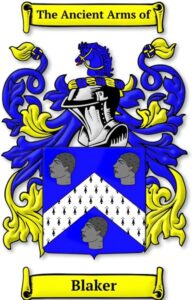
The Coat of Arms of the Blakers of Portslade, granted in 1616, depicts the side-facing heads of three Blackamoors – Negroes with African Hair. The family are mentioned in connection…
READ MORE

Sake Dean Mahomed (1759-1851) grew up in India. He served in the English East India Company Bengal Army as a trainee surgeon. At age 25, he immigrated to Ireland in…
READ MORE
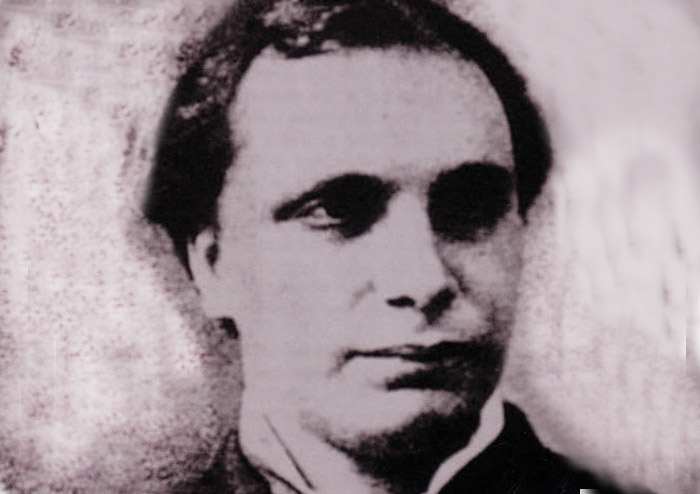
Frederick Ackbar Mahomed (grandson of Sake Dean Mahomed) was born in Brighton on 11th April 1849 at No.2 Black Lion Street, East Cliff, Brighton. He went to private school in…
READ MORE

Mary Seacole the Black nurse visited Brighton and mentions it in her book, saying that the Journey across Panama by train was as smooth as the journey from London to…
READ MORE

Sarah Forbes Bonetta was captured and later given to Queen Victoria who, impressed by the girl’s natural regal manner and exceptional intelligence, was pleased to give her sanction to be married…
READ MORE

T.M.S.Highflyer’ Brighton celebrates life of African slave boy – 20th June 2018 148 years after his death, a special service took place to honour Thomas M.S. Highflyer, an African boy…
READ MORE

Today three Memorials exist in Brighton to commemorate the Indian soldiers that passed through the Brighton hospitals during the First World War 1914 – 1918. The First is the gateway…
READ MORE
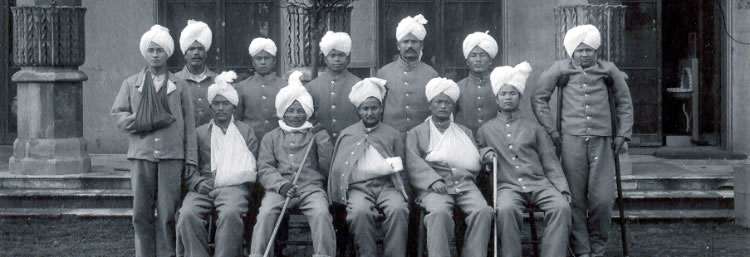
Very early on in World War I it was apparent that the allies did not have enough forces to cover all the areas of fighting – for example in North…
READ MORE
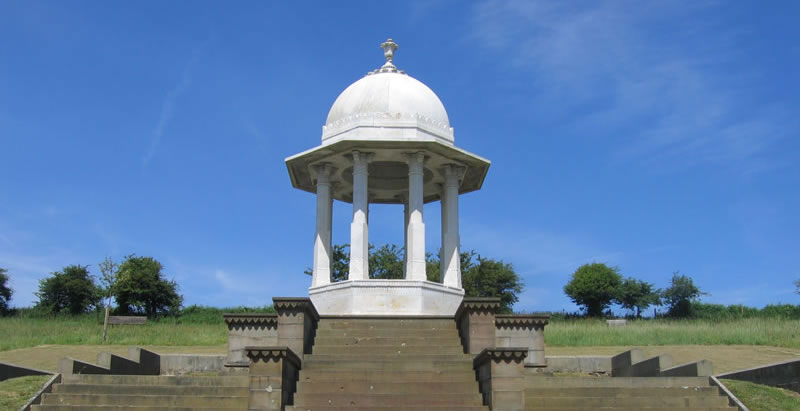
The Chattri is a memorial on the Sussex South Downs to Indian soldiers who died whilst in Brighton during the First World War. Hindu and Sikh soldiers who died whilst…
READ MORE

The Emperor of Ethiopia visited Brighton & Hove whilst exiled in Britain. During Italy’s occupation of Ethiopia between 1936-1941 Haile Selassie was forced into five years of exile in Britain,…
READ MORE

To the memory of all Indian soldiers who gave their lives for the King-Emperor in the Great War, this monument, erected on the site of the funeral pyre where Hindus…
READ MORE

It is 2017, and with the coming of a brand new New Year comes the sad news of the death of a prominent social activist, Tam Framroze (1941-2017), a long…
READ MORE